
You can grow your Teachers Pay Teachers (TPT) store without chasing every new trend on social media. Focus on one platform, build a clear brand, and use short-form video plus email sign-ups to turn casual viewers into repeat buyers. This post shows simple social strategies that actually move traffic and sales toward your TPT store.
You’ll learn how to set up your store and profile to match the content you post, which platforms give the best return for teachers, and how to use SEO and email to amplify your reach. Follow practical steps you can use while still keeping time for teaching and resource creation.
Building Your TPT Store Brand for Social Success

Your TPT store should look professional, speak directly to the teachers you want to reach, and make buying easy. Focus on clear visuals, a sharp value message, and listings that answer a teacher’s needs quickly.
Optimising Your TPT Store for Visibility
For your TPT store, use a clean store banner that shows grade levels, subjects and one clear benefit (for example: “Year 3 Maths — Ready-to-Use Lessons”). A strong banner and profile image help your TPT store stand out on the TPT marketplace and on social posts.
Likewise, fill the “About the store” bio with specific experience and resources you sell. Mention your top subjects, age range, and any classroom-tested claims. This builds trust and converts visitors into followers.
Additional, create custom categories for easy browsing: “Seasonal Units”, “Assessment Packs”, “Early Finisher Tasks”. That helps teachers find products fast and improves how your store appears in searches.
Identifying and Reaching Your Ideal Customers
Describe your ideal customer in simple terms: subject, grade, pain point, and where they hang out online. For example: “Primary science teachers, Years 3–6, who need hands-on labs and follow Instagram for classroom ideas.”
To add, match your social content to that profile. Post quick demo videos for Instagram, printable preview images for Pinterest, and classroom tips for Facebook groups where teachers swap resources.
Moreover, use clear calls to action on social posts and your TPT store. Invite teachers to follow, download a free sample, or view a full lesson. Track which posts drive clicks and replicate the best formats.
Crafting High-Converting Product Listings in Your TPT Store
Write titles that include subject, year level, and a key benefit. Example: “Year 4 Fractions — 5 Ready Lessons with Worksheets & Answers.” Simple titles help your TPT listing appear in searches and make sense at a glance.
Use the first lines of your description to list what’s included and how long it takes to teach. Then add one short paragraph about teacher benefits, such as time saved or easy differentiation.
To add, include a clear preview and high-quality cover image. Previews let teachers check pages before buying, which reduces refunds and boosts trust in your TPT business.
Moreover, respond to customer questions, and offer support. Quick replies and helpful follow-up build repeat buyers and positive store reviews.
Effective Social Media Platforms and Content Strategies
Choose platforms where teachers search for resources and where you can show your products in action. Focus on visual channels that let you display thumbnails, previews and short clips to boost clicks and conversions.
Leveraging Instagram and Short-Form Video
Instagram reels and short videos show your TPT product in real classroom moments. Post 15–60 second clips of a worksheet being used, slides flipping in a lesson, or a quick teacher tip that uses your resource. Add clear captions and a call to action like “Preview in my TPT store” so viewers know where to buy.
Similarly, use consistent thumbnails and a branded colour palette to make your posts recognisable. Post 3–4 times a week to stay visible, and reuse clips as reels, stories and grid posts to reach different audiences. Track saves, shares and link clicks to measure conversion rate.
Driving Traffic with Pinterest and Rich Pins
Pinterest acts like a search engine for teachers looking for lesson ideas and printable resources. Create vertical images (1000 x 1500 px) with clear product titles and a visible value statement, such as “15 ready-to-use maths worksheets.”
What’s more, use TPT’s trackable links when you pin to see how many visits and sales each pin drives. Set up Rich Pins where available so pins pull meta info and previews automatically. Organise boards by grade, topic or season to help buyers find your TPT product faster.
Behind-the-Scenes Content to Build Trust for Your TPT Store
Show short BTS clips of you making, testing or classroom-checking a resource. Share the planning, errors you fixed and student reactions (with consent). This honesty helps build trust and makes buyers more likely to follow and purchase products in your TPT store.
Post a “product preview” carousel or story highlight that walks through what’s inside a resource: lesson pages, answer keys and differentiation notes. Moreover, when you answer comments and DMs quickly, you boost credibility and raise the chance of a sale.
Amplifying Reach with SEO, Email Marketing, and Content for Your TPT Store

Focus on making your listings easy to find, turning visitors into subscribers, and using helpful content to bring steady traffic and trust to your TPT store.
TPT SEO and Optimising for the Search Algorithm
Start by using clear, searchable titles and short descriptions that match how teachers search. Include grade level, subject, and key activity words (for example: “Year 5 fractions worksheet – mixed problems”). Use all available tags and pick the strongest keywords that mirror your top-selling items and sales data.
What’s more, use file names and preview thumbnails that show the product at a glance. Check your listings regularly and update keywords based on what sells or tools like Ubersuggest show as rising queries.
To conclude, track which listings get clicks versus purchases. If a high-click product has low sales, tweak the preview, title or price. Small changes often lift search position over time.
Growing and Monetising Your Email List for Your TPT Store
Offer a simple, useful freebie as an opt-in on your product pages and profile. Make the offer tightly linked to your store — for example, a matching worksheet pack or marking guide — so subscribers really want more of your resources.
Likewise, use a clear landing page with 1–2 images, a short benefit sentence and a bold sign-up button. Ask only for email and first name to reduce friction. Send a welcome sequence of 3 emails: the freebie, a classroom-use idea, and a small-time-limited discount on a related paid product.
Moreover, segment your list by grade or subject so you can send targeted promos. Use sales data to time emails when similar products perform best. Keep messages short, helpful and visual to get better open and click rates.
Content Marketing and Blogging for Sustainable Growth
For your TPT store, create short blog posts that solve teacher problems and link directly to your TPT listings. Write posts like “5 quick starter activities for Year 3 maths” and embed previews or sample pages. Each post should have one clear call to action to visit a product or join your email list.
To add, publish regularly and repurpose posts into social posts or PDF freebies. Use plain titles that match search phrases so blog traffic helps your TPT SEO. Check which posts drive clicks and sales, then repeat the formats and topics that work.
To conclude, use classroom photos, sample answers, and a printable checklist to add value. These small extras build trust and make teachers more likely to buy from your store.
Conclusion
In conclusion, marketing your TPT store through social media doesn’t have to feel overwhelming or ineffective. By focusing on the platforms where your audience already spends time, creating consistent and valuable content, and engaging authentically rather than selling constantly, you can build trust and long-term visibility.
Moreover, when you analyse what works and adjust your strategy accordingly, your efforts become more efficient over time.
Ultimately, with patience, strategy, and a willingness to experiment, social media can transform from a chore into a powerful tool for sustainable TPT growth.
What social media strategies have worked best for your TPT store so far?
Resources of Mine You Might Like
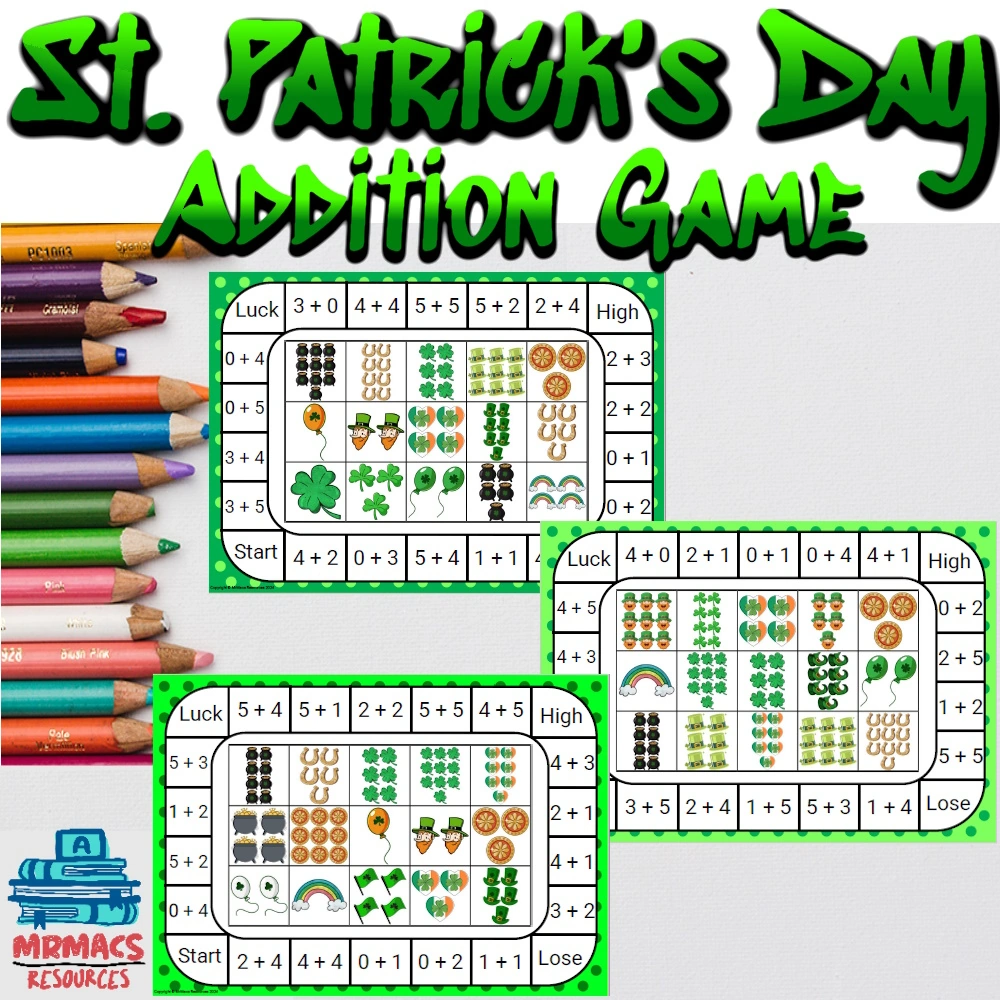
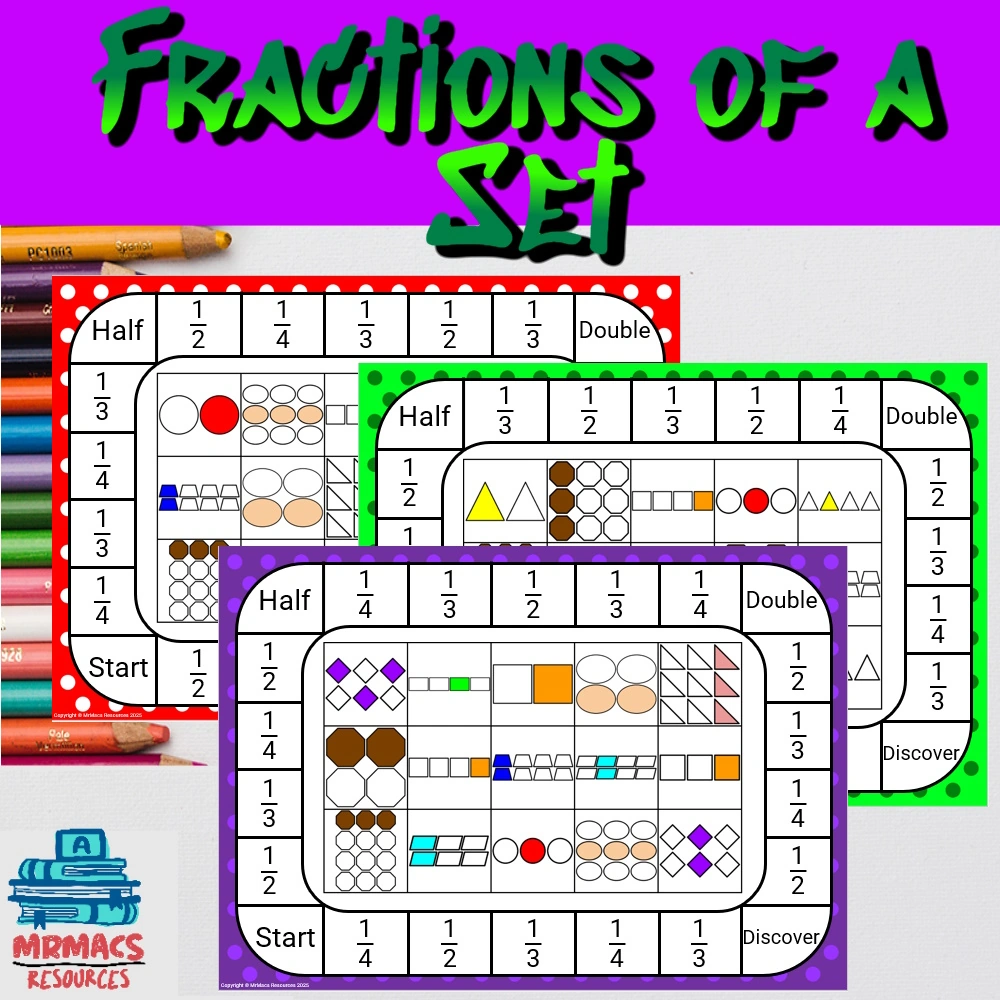
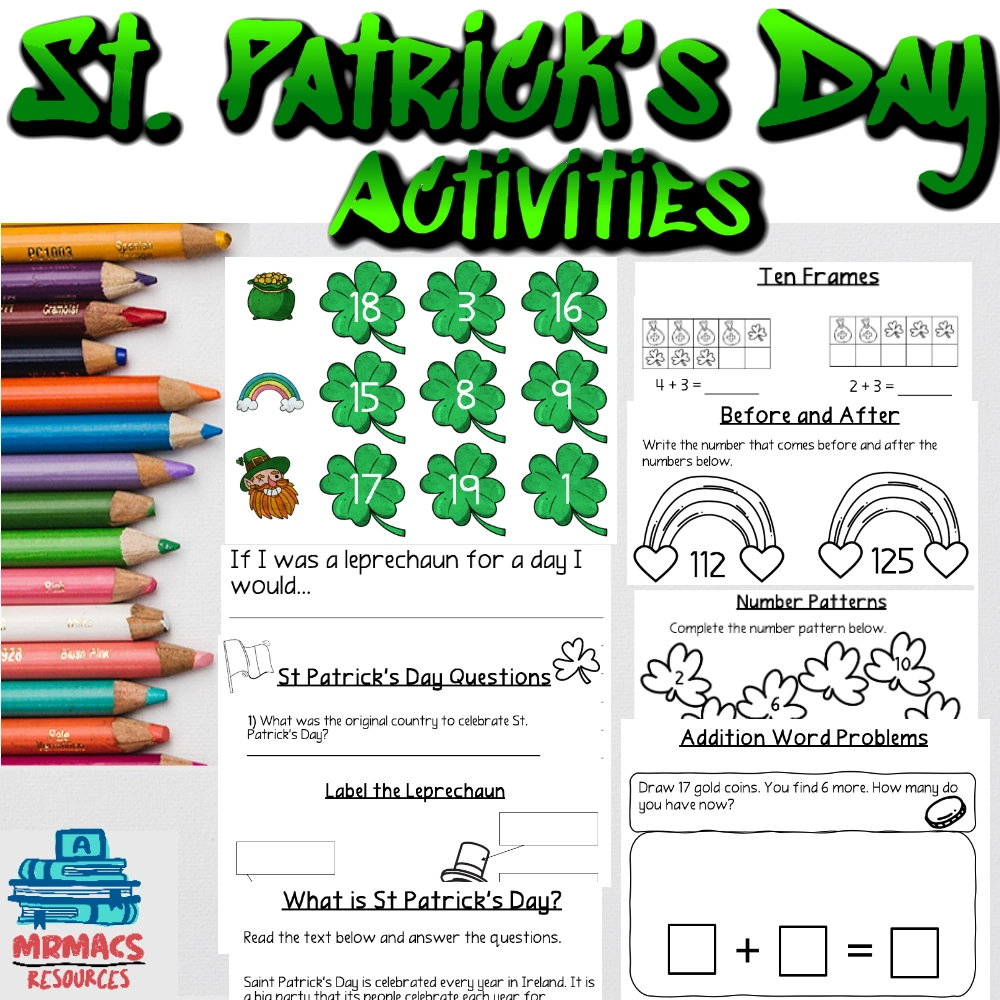
Want Access to my Free Resource Library?

About The Author

Hi! My name is Mr Mac. I am a K – 6 teacher. I love to create resources for teachers to make their teaching lives easier.