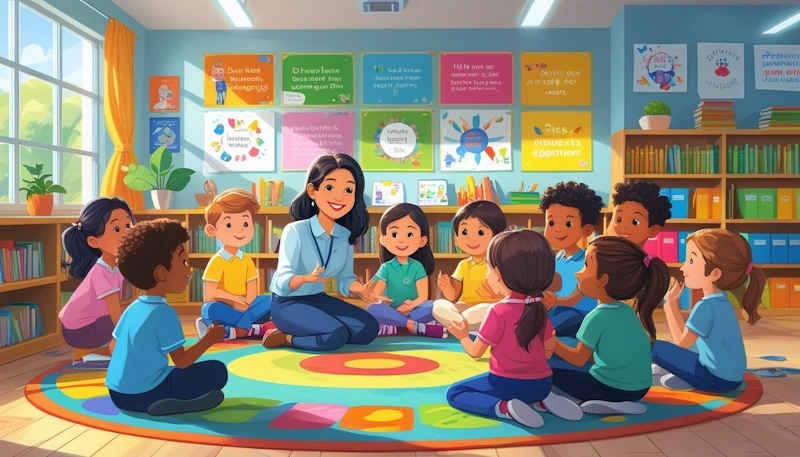
You can set a positive classroom culture from day one by making simple, consistent choices that signal safety, respect and belonging. Start with an inviting space, clear routines and chances for students to share their voice, and you’ll build trust fast.
Focus on small moves that matter: welcome displays, meaningful icebreakers, and co-created expectations. These steps help students feel seen, encourage engagement, and make routines run smoothly so learning can begin.
To add, use short daily rituals and relationship-building practices to keep momentum. Over time, those routines and choices turn into a classroom culture where students take risks, support each other and stay motivated.
Laying the Foundations for a Positive Classroom Culture
Create a space that feels safe, fair and welcoming from the first bell. Use clear routines, visible expectations and thoughtful layout to show students what matters.
Setting Up an Inclusive and Inviting Space
Arrange seating so students can see you and each other easily. Use flexible group tables or clusters to support partner talk and small-group work. Label zones clearly — reading corner, maker table, calm area — so students know where to go for different activities.
Additionally, display diverse books, posters and student work that reflect your class. Add a welcome sign and a name board students can personalise. Keep materials at student height and use resource containers with pictures so all learners access supplies independently.
Use lighting, colour and a tidy layout to reduce stress. Leave wall space for a “Who We Are” board or ongoing projects to build ownership. Ultimately, these small choices help students feel included from day one.
Establishing Psychological Safety
Firstly, start by setting clear, simple norms that you create with students. Ask them what they need to feel safe. Write three to five statements like “Listen when others speak” and “Try your best even when it’s hard,” and post them where everyone can see.
Next, model how to handle mistakes. Share an adult mistake and show how you fixed it. Praise specific effort: “I noticed how you tried another idea” instead of vague praise. This teaches that risk-taking and learning from errors are accepted.
Moreover, use predictable routines so students know what comes next. Quick check-ins, a calm corner and consistent responses to behaviour reduce anxiety. When students see fairness and calm, they speak up and learn more freely.
Building Classroom Community from the Start to Establish Positive Classroom Culture
Plan short, meaningful icebreakers that reveal interests or values, not just facts. Try a “This or That” movement activity to help students find peers with shared likes. Follow with a low-pressure sharing routine so quieter students can contribute.
Likewise, use early community rituals: morning check-ins, weekly shout-outs and a class job chart. Rotate roles like materials manager or tech helper to give responsibility and belonging. Do quick reflection circles to let students voice what works and what needs changing.
To conclude, invite student choice in routines and projects. Offer two or three options for learning tasks and let students pick. When students help shape the classroom, they take care of it and support each other.
Setting Clear Expectations and Routines
Set clear expectations from day one, teach routines step-by-step, and use consistent responses so students know what to do and what happens next. Use student input, simple rules, and regular praise to build a calm, orderly classroom.
Positive Classroom Culture - Co-Creating Classroom Norms with Students
Invite students to help create 4–6 classroom norms during the first week. Use a short class discussion, then let small groups draft suggestions. Collect ideas, combine similar ones, and vote on the final list. This gives students ownership and makes rules feel fair.
To establish positive classroom culture, write each norm in plain language and post them where everyone can see. For example: “Raise your hand to speak,” “Move safely around the room,” and “Try your best work first.” Teach each norm with a 2–4 minute demonstration and quick role plays so students practise what good behaviour looks like.
Moreover, revisit the norms weekly for the first month. Ask students to give one example of the norm in action. Use these check-ins to adjust wording so expectations stay clear and useful for your class.
Implementing Consistent Classroom Management
To further foster positive classroom culture, create a simple, visible system for routines and consequences. Use a chart or poster that shows arrival, transition, group work, and pack-up steps. Label each routine with 3–5 clear actions so students can follow them independently.
What’s more, be consistent with how you respond to rule-following and rule-breaking. Apply the same consequence each time for the same behaviour. Keep consequences brief and related to the behaviour, such as a reminder, then a short timeout or repairing action if needed.
Blend positive approaches like PBIS with restorative practices. Use quick restorative questions after incidents. For example, “What happened? Who was affected? What can you do to fix it?” These keep expectations high while helping students learn from mistakes.
Positive Classroom Culture - Practising Positive Reinforcement
Recognise specific behaviours immediately and often. Say exactly what you saw: “I noticed you waited your turn—thank you.” That clarity helps students repeat the behaviour. Use a mix of verbal praise, stickers, or points tied to class rewards.
Furthermore, set up short-term goals and track progress visibly, such as a class chart for on-task minutes or a team points board. For instance, let students earn small privileges like choosing a warm-up activity or leading a line. This keeps reinforcement meaningful and tied to classroom expectations.
To conclude, balance public praise with private feedback for sensitive issues. Reinforce the effort and choices students make, not just outcomes. Over time, consistent positive reinforcement builds habits that support your routines and classroom culture.
Fostering Engagement, Voice, and Lasting Relationships for Positive Classroom Culture
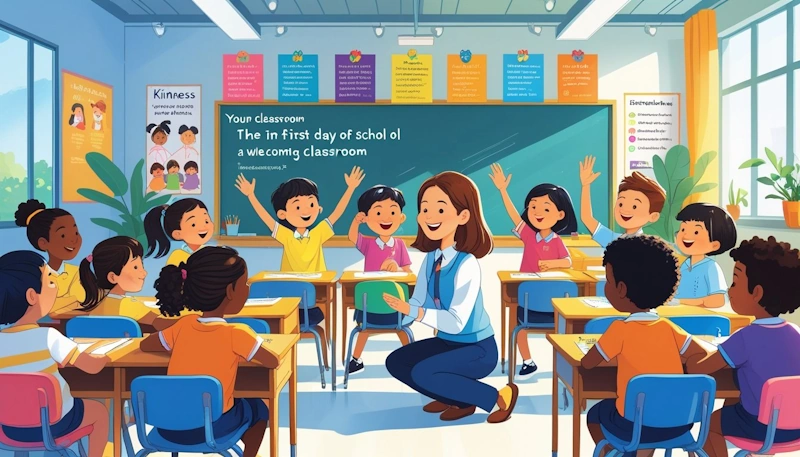
You will create routines that let students speak, choose and connect. Small, regular practices build trust, boost effort and make learning feel relevant.
Positive Classroom Culture - Encouraging Student Voice and Ownership
Give students clear chances to lead class choices. Use a weekly poll or a laminated choice board with three task options so students pick how they show understanding. Rotate roles like discussion leader, timekeeper and materials manager each week.
To add, hold short student-led conferences twice a term. Ask students to show one piece of work, explain their goal, and name one next step. This builds ownership and makes assessment a learning conversation.
Likewise, use class meetings and morning meetings to gather ideas and fix problems. Start with a quick “rose, thorn, bud” check-in so everyone practices speech, listening and respectful feedback.
Promoting Student Engagement Through Activities
Plan active lessons that mix pairs, small groups and solo work every 15–20 minutes. For instance, use Think-Pair-Share, quick jigsaws and problem cards to keep thinking moving and hands busy.
Include team-building activities each term to strengthen trust. Try a timed puzzle challenge or an escape-room style task that needs clear roles and short reflection afterwards. These build collaboration skills and reduce group friction.
Creating a positive classroom culture is about celebrating small wins often. Praise effort, model growth mindset language, and display a success board with sticky notes for milestones. Visible recognition keeps motivation high and shows progress matters more than perfection.
Building Positive Relationships and Social-Emotional Growth
Make time for quick check-ins at the door and short one-on-one chats across the week. Learn and use students’ names, interests and strengths to show you notice them as people, not just learners.
Furthermore, teach simple social-emotional skills in 5–10 minute mini-lessons. Practice naming feelings, calming breaths and problem-solving scripts. Use role-play during class meetings so students rehearse respectful responses.
Moreover, create routines that support belonging: a buddy system, mixed-group seating rotations, and family-style sharing days. These routines help students trust each other and support deeper learning over time.
Conclusion
In conclusion, creating a positive classroom culture from day one is not a one-time task but an ongoing commitment that shapes how students learn, interact, and grow. By intentionally setting clear expectations, building strong relationships, and modelling respect and empathy, teachers can lay a foundation of trust and belonging.
Moreover, when routines are consistent and student voices are valued, the classroom becomes a safe space where learners feel motivated to participate and take academic risks.
Ultimately, a thoughtfully cultivated classroom culture not only supports academic success but also fosters confidence, collaboration, and lifelong social skills.
What strategies have you found most effective in building a positive classroom culture from the very beginning?
Resources of Mine You Might Like


Want Access to my Free Resource Library?

About The Author

Hi! My name is Mr Mac. I am a K – 6 teacher. I love to create resources for teachers to make their teaching lives easier.