Teachers Pay Teachers (TPT) offers a unique opportunity to share your classroom resources while earning income. However, success on the platform depends on understanding what teachers actually need and are willing to buy. Many sellers create high-quality materials that never gain traction simply because they don’t align with what TPT buyers are searching for.
The key to creating resources that sell is identifying real classroom problems and designing products that offer practical, ready-to-use solutions. Teachers shopping on TPT are often pressed for time and looking for materials they can implement immediately. They want resources that are well-organised, visually appealing, and directly address their specific teaching challenges.
Throughout this article, you’ll discover what buyers prioritise when browsing TPT, how to develop resources that meet genuine needs, and ways to present your products so they stand out in a crowded marketplace. By focusing on what TPT buyers are searching for and truly value, you can build a store that generates consistent sales whilst supporting fellow educators.
Understanding What Sells on TPT
Success on Teachers Pay Teachers starts with understanding what teachers actually need and how to position your resources to meet those needs. By identifying gaps in the market and choosing the right niche, you can create products that consistently attract buyers.
What TPT Buyers Are Searching - Identifying Teacher Needs and Market Gaps
The best TPT sellers create resources they need in their own classrooms. If you’re struggling to find a particular resource or wishing you had a better solution to a teaching challenge, other educators likely feel the same way. This personal experience becomes your starting point for identifying what will sell on TPT.
To add, start by observing the challenges you face daily. For instance, are your students struggling with a specific concept? Do you spend hours creating materials that don’t exist elsewhere? If this is the case, ask yourself is this what TPT buyers are searching for?
Furthermore, teachers also search for resources that save them time. If you can offer something that would take hours to create from scratch, you’ve found a valuable opportunity. Additionally, standards-aligned materials remain consistently in demand because many schools require teachers to use them. So, you can be assured that these resources are what TPT buyers are searching for.
To conclude, use TPT search to research what already exists in your area of interest. Look for resources with few reviews or outdated designs—these indicate opportunities to create something better. You can also check the Seller Blog for commonly searched terms that show what teachers are actively seeking.
Selecting a Profitable Niche
Your niche should align with your teaching experience and strengths. Most successful teacher-authors focus on subject areas, year levels, or teaching methods they know well. This expertise helps you create authentic, high-quality resources that stand out in the TPT community.
Likewise, narrowing your focus allows you to build a recognisable TPT store with a clear brand. Instead of creating random resources across multiple subjects, concentrate on becoming known for something specific. For example, you might specialise in hands-on maths activities for Year 3 or literacy centres for early years.
Consider these factors when choosing your niche:
- Your teaching background and qualifications
- Subjects or year levels you’re passionate about
- Areas where you’ve already created successful classroom materials
- Topics with steady demand but manageable competition
Moreover, don’t worry if your niche seems crowded. Your unique perspective and teaching style will differentiate your products from others. The key is offering something genuinely useful rather than trying to appeal to everyone.
Common Types of High-Demand Resources
Certain categories of educational resources consistently perform well on Teachers Pay Teachers. For instance, printable worksheets remain popular because they’re easy to use and require minimal preparation. Teachers appreciate ready-to-print materials they can implement immediately.
Digital resources for student devices have grown significantly in demand. Google Slides activities, interactive PDFs, and self-grading assessments save teachers time whilst engaging students. These products work particularly well for upper primary and secondary year levels. Thus, likely candidates for what TPT buyers are searching for.
Additionally, lesson plans that include everything a teacher needs are highly valued. Complete units with teacher guides, student materials, and answer keys solve multiple problems at once. Similarly, assessment resources like rubrics, tests, and marking guides address ongoing teacher needs.
Other high-demand categories include:
- Seasonal and holiday activities that align with the school calendar
- Differentiated resources that support diverse learner needs
- Classroom management tools like behaviour charts and organisational systems
- Literacy and numeracy centres that enable independent practice
Likewise, even offering free resources strategically can build your TPT business. Free products introduce teachers to your teaching style and often lead to purchases from your paid catalogue.
What TPT Buyers Are Searching - Strategies for Creating In-Demand TPT Resources
Successful TPT products combine thoughtful design, engaging formats, and real classroom value. By focusing on quality materials that save teachers time whilst meeting genuine instructional needs, you’ll create resources that educators actively seek out and purchase.
Designing High-Quality Worksheets and Lesson Plans
Firstly, start by ensuring your worksheets and lesson plans address clear learning objectives that align with curriculum standards. Teachers need materials they can use immediately, so include detailed instructions, answer keys, and any necessary background information.
Next, use age-appropriate fonts and layouts that are easy to read and print. Avoid cluttered designs that waste paper or confuse students. Instead, create clean, organised pages with consistent formatting throughout your resource.
Then, add differentiation options whenever possible. This might include modified versions for different skill levels or alternative activities that address the same concept. Teachers appreciate having multiple ways to meet diverse student needs within a single purchase.
Finally, include a terms of use page that clearly explains how educators can legally use your materials. Add a credits page acknowledging any fonts, clipart, or other elements you’ve used with permission. These professional touches demonstrate your commitment to creating high-quality TPT products.
What TPT Buyers Are Searching - Incorporating Interactive and Digital Elements
Digital resources continue growing in popularity as more classrooms integrate technology. Google Slides has become one of the most requested formats because it’s accessible, editable, and works across different devices and platforms.
Also, consider creating interactive activities where students can type responses, drag and drop elements, or click through self-checking questions. These features engage learners whilst reducing marking time for teachers.
For printable resources, add QR codes that link to video instructions or supplementary materials. This bridges the gap between traditional worksheets and digital learning without requiring a complete technology overhaul.
What’s more, make sure your product description clearly states which digital platforms your resource uses and any technical requirements. Teachers need this information to determine if the resource will work in their specific classroom setup.
Ensuring Authenticity and Classroom Usefulness
Create resources based on challenges you’ve actually faced in your own teaching practice. Authentic materials that solve real problems resonate with other educators who face similar situations daily.
Likewise, test your resources with actual students before uploading them to TPT. This helps you identify confusing instructions, unclear questions, or activities that don’t work as planned. Real classroom feedback is invaluable for improving your materials.
On top of that, think about time-saving elements that make your resources immediately usable. Pre-made templates, ready-to-print pages, and materials that require minimal preparation are especially appealing to busy teachers.
Moreover, your product listing should honestly represent what’s included and how long activities take to complete. Transparency builds trust with buyers and leads to positive reviews that help your store grow over time.
What TPT Buyers Are Searching - Optimising Product Listings to Attract Buyers
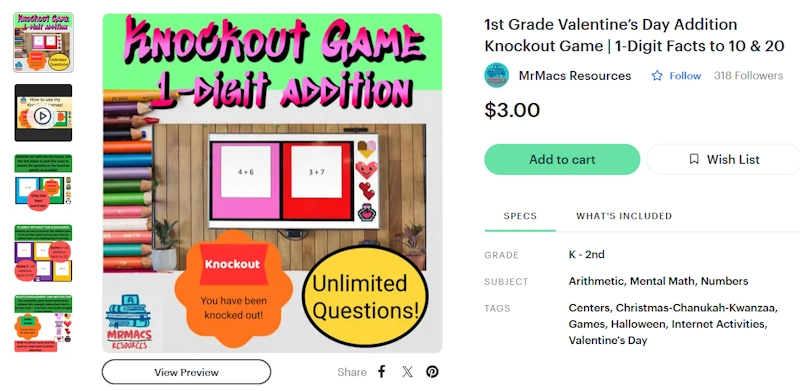
Your product listing is the first impression buyers get of your resource on Teacher Pay Teachers. Strong titles, clear descriptions, effective previews, and smart search optimisation work together to help the right buyers find and choose your products
Crafting Compelling Titles and Descriptions
Your product title needs to clearly state what your resource is and who it’s for. Include the grade level, subject, and specific topic in the first 60 characters so buyers can quickly understand what you’re offering. For example, “Year 3 Maths Fractions Worksheets and Activities” works better than “Fun Maths Pack.”
Besides that, your product description should expand on the title with specific details. List what’s included in the resource, such as the number of pages, types of activities, and file formats. Buyers want to know exactly what they’re getting before they purchase.
Further, use bullet points to make important information easy to scan. Include details about how teachers can use the resource, what skills it covers, and any special features like editable templates or answer keys. Short paragraphs of 1-3 sentences keep readers engaged.
To conclude, address common questions in your description. Let buyers know if the resource requires preparation, whether it works for whole class or small groups, and if it aligns with specific curriculum standards. This information helps teachers decide if your product fits their needs.
Effective Product Previews and High-Quality Images
Your product preview is one of the most powerful selling tools on TPT. Show at least 5-7 pages that give buyers a clear picture of your resource’s quality and content. Include your cover page, a sample activity page, and examples of different activity types or worksheets.
Likewise, high-quality images matter because buyers can’t hold your product in their hands. Use clear screenshots or photographs with good lighting and sharp text. Blurry or pixelated images suggest poor quality and drive buyers away.
Furthermore, your preview should demonstrate the resource’s value without giving everything away. Show enough content that teachers understand your teaching approach and design style. However, avoid including complete answer keys or every activity variation.
Add a contents page or overview slide to your preview. This helps buyers see the full scope of what they’ll receive. Teachers appreciate knowing the range of materials before making a purchase decision.
What TPT buyers are searching for are resources that are of high quality, are well presented, demonstrate the resource’s value and clearly show via thumbnails and preview what they will be getting.
What TPT Buyers Are Searching - SEO Techniques for TPT Search Visibility
TPT search works like other online marketplaces, matching buyer searches with relevant products. Include specific keywords in your title that teachers actually type when searching. Think about phrases like “phonics activities Year 1” or “persuasive writing rubric Year 5.”
Besides this, your product description should naturally include relevant search terms throughout the text. However, write for humans first, not just for search algorithms. Mentioning key concepts like “printable,” “digital,” “differentiated,” or “hands-on” helps buyers and search visibility.
In addition, tags are crucial for helping buyers discover your TPT store and products. Use all available tag slots with specific, relevant terms. Include grade levels, subject areas, resource types, and teaching duration that apply to your product.
To conclude, update your listings regularly based on what’s working. If certain products get more views or sales, analyse what keywords and descriptions you used. Apply those successful strategies to other products in your store.
Conclusion
In conclusion, creating resources based on what TPT buyers are searching for is not easy. To successfully sell on TPT it comes down to understanding your buyers, anticipating their classroom needs, and delivering clear, high-quality materials that save them time and energy.
Ultimately, when you combine purposeful design, practical application, and thoughtful presentation, your resources become more than just products—they become trusted solutions teachers return to again and again.
Therefore, by continuously refining your approach based on feedback and trends, you position yourself for long-term success in a competitive marketplace.
What do you think matters most to buyers when they’re choosing resources on TPT?
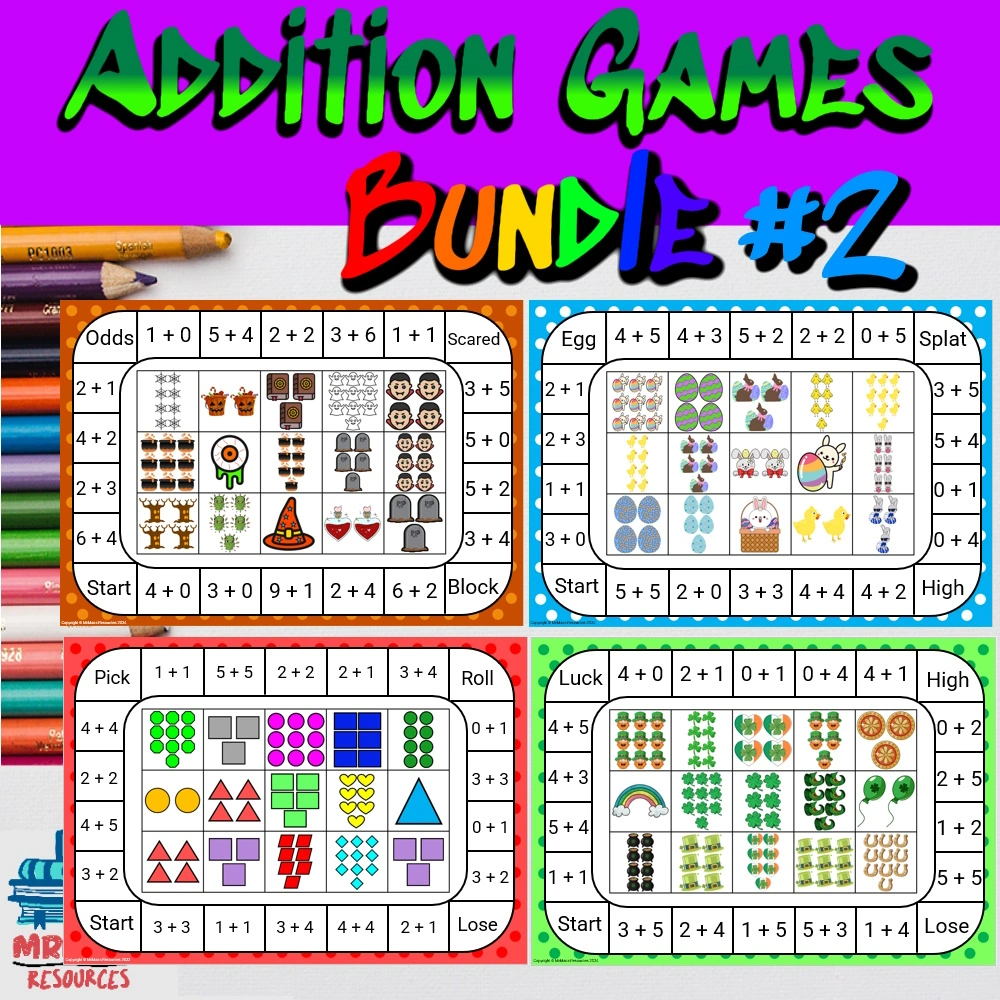
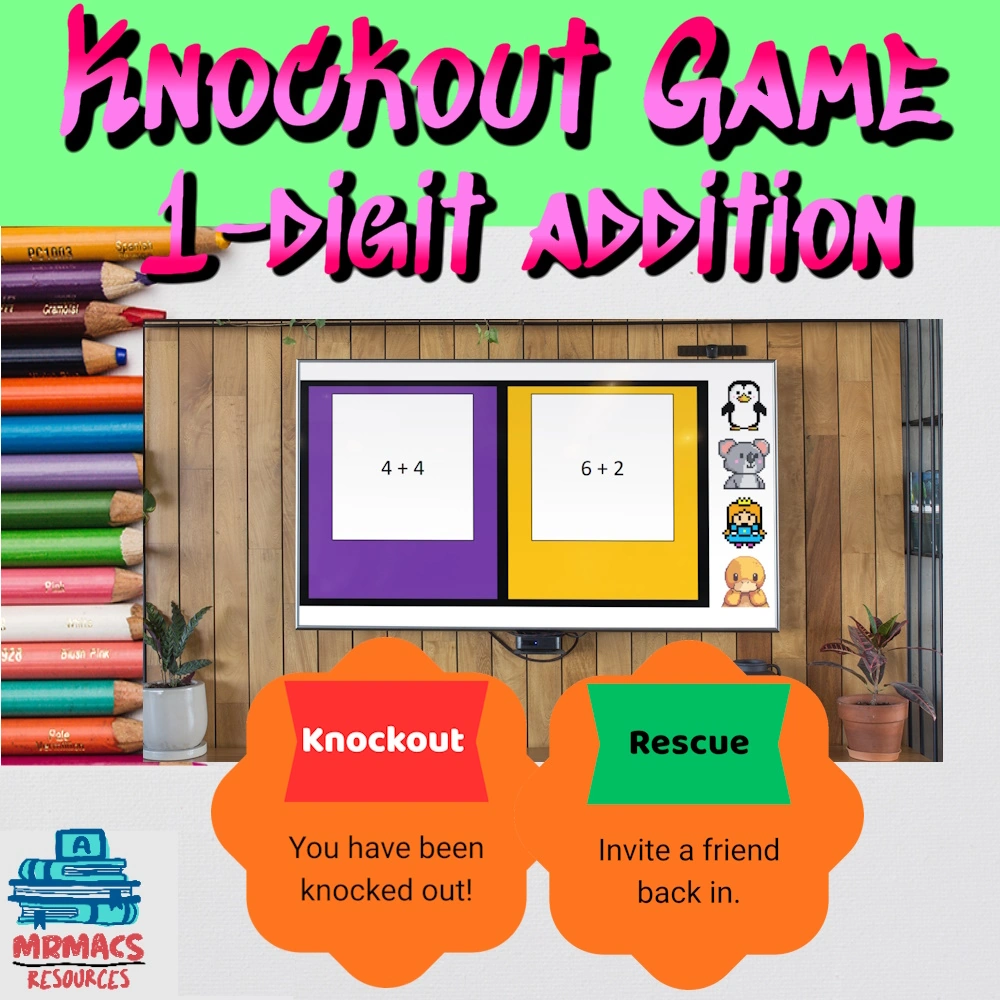
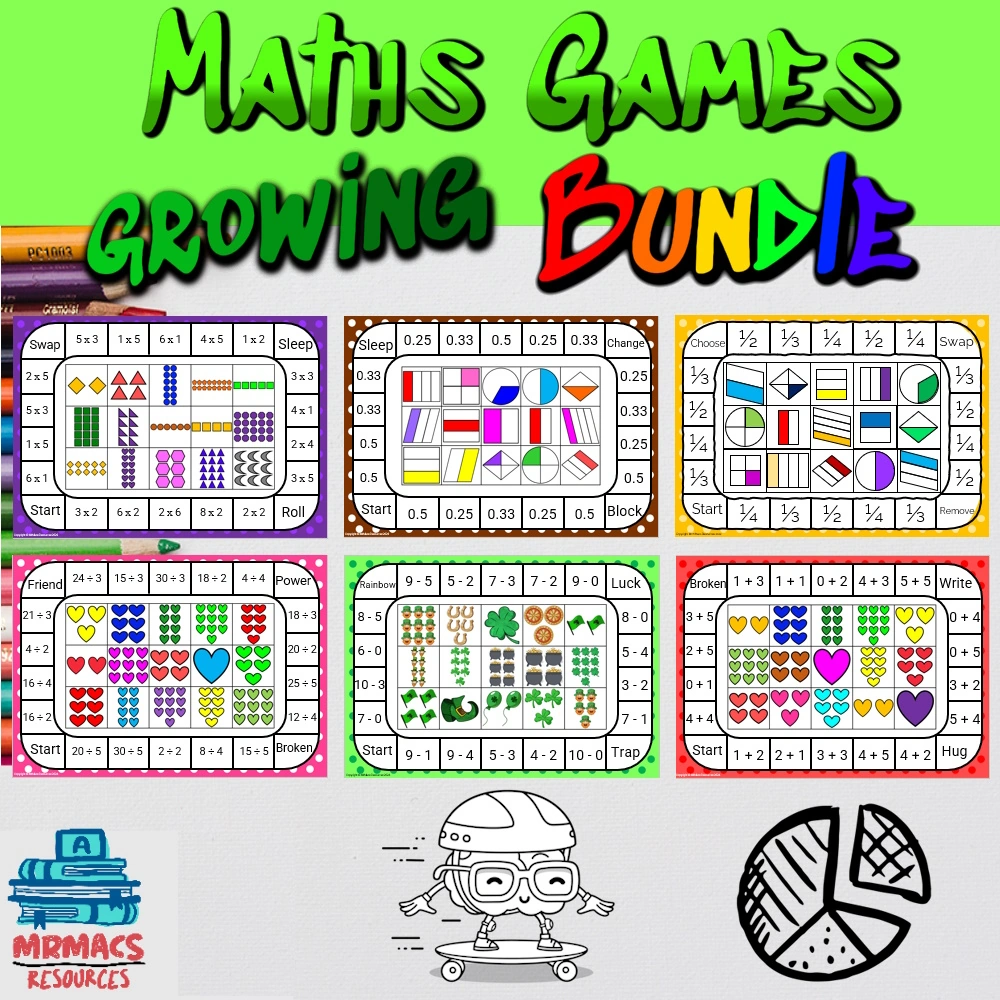
Resources of Mine You Might Like
Want Access to my Free Resource Library?
About The Author

Hi! My name is Mr Mac. I am a K – 6 teacher. I love to create resources for teachers to make their teaching lives easier.