
Differentiation made simple! You can make learning fit every student without adding chaos to your day. Differentiated instruction lets you change what you teach, how students learn, and how they show understanding, so each student moves forward. This post shows simple principles and practical moves you can use right away to plan lessons that work for diverse learners.
You will learn clear strategies for matching tasks to readiness, interests and learning preferences, plus easy ways to use assessment and feedback to keep progress on track. To add, you will be given tips that protect class unity while giving each student a fair chance to succeed.
Core Principles of Differentiation
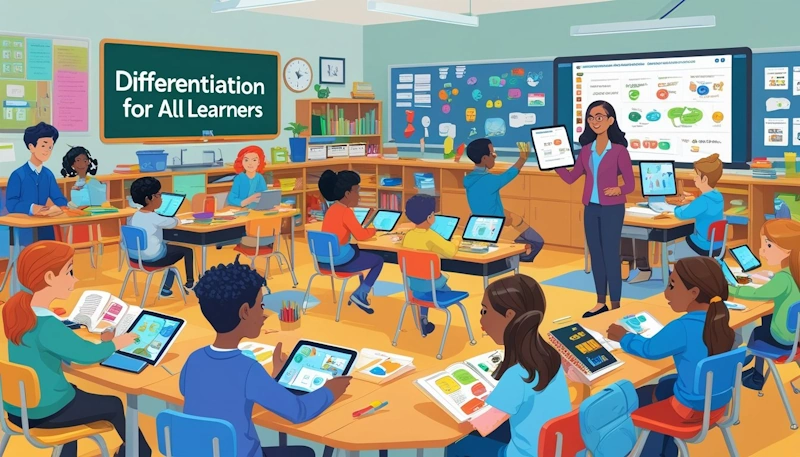
Differentiation adjusts teaching so every student can learn. It focuses on matching content, tasks and assessments to each learner’s needs, strengths and interests.
What Is Differentiation in Education?
Differentiation means you change the way you teach and assess so all students can access the same goals. You vary content (what students learn), process (how they learn) and product (how they show learning) to fit student readiness, interests and learning preferences.
Likewise, use short pre-assessments to find readiness and learning profiles. Group students flexibly: sometimes by ability, sometimes by interest, sometimes mixed. Offer choice—audio, visual, hands-on—so students, including those with disability or special educational needs, can work in ways that suit them.
Moreover, plan proactively. Keep tasks meaningful and avoid lowering expectations for gifted students or those needing more support. Use ongoing checks and small adjustments rather than one-off fixes.
Differentiation Made Simple - Benefits of Differentiation for All Learners
Differentiated instruction helps you meet diverse learning needs in one classroom. Students who are behind get targeted support; gifted and talented students get extension tasks that push them further.
Ultimately, you build an inclusive learning environment by valuing individual differences and offering personalised learning paths. This fosters a growth mindset because students see progress from tasks at the right level.
What’s more, differentiation also improves engagement and reduces behaviour issues. When students work at the right challenge, they stay motivated and participate more in class activities and group work.
Carol Ann Tomlinson’s Model and Philosophy
Carol Ann Tomlinson frames differentiation as a teaching philosophy, not a set of tricks. She highlights three drivers: student readiness, interests and learning preferences, and suggests teachers plan for all three.
Furthermore, Tomlinson recommends differentiating content, process and product while keeping common learning goals. She urges teachers to be proactive, use qualitative changes (not just easier worksheets), and monitor students through ongoing assessment.
To conclude, you develop learning profiles for each student and use that data to plan lessons. This gives you a practical way to support inclusive education and meet the needs of students with disability, special educational needs and gifted students.
Differentiation Made Simple - Essential Differentiation Strategies
These strategies give you clear ways to match tasks, groups and assessments to student needs. Use simple routines, choice and short checks to keep students engaged and progressing.
Flexible Grouping Techniques and Group Work
Differentiation Made Simple! Use a mix of group types: ability groups for focused skill work, mixed-ability teams for peer teaching, and interest groups for project-based learning. Rotate groups weekly so students build skills with different peers and avoid fixed labels.
Try quick routines like Think-Pair-Share and the Jigsaw method to break complex topics into short, active tasks. These fit inside a lesson and boost talk time without long prep.
Also, plan roles and clear success criteria before students start. Give each group a visible checklist or rubric. Use learning stations with specific goals — one station for graphic organisers (Venn diagrams, flow charts), one for hands-on tasks, and one for digital research — so students move with purpose.
Moreover, offer choice within groups. Let students pick a role, product type or task level from a choice board. This keeps motivation high and supports collaborative learning while you circulate and scaffold where needed.
Differentiating Content and Lesson Planning
Differentiation Made Simple! Firstly, begin with a clear core goal for every lesson. Then design two or three tiered assignments that reach the same goal at different difficulty levels. Use curriculum compacting for advanced students so they skip known work and move to enrichment tasks.
Next, use varied resources: shorter texts, audio versions, graphic organisers, mind maps and step-by-step flow charts. These help students access the same idea in different ways. Scaffold with sentence starters, worked examples and checklists to support those who need more structure.
Finally, include student choice in products: written response, podcast, poster or short project-based task. Offer learning contracts for longer projects so students set checkpoints and show progress. Keep planning practical: one core lesson, 2–3 tiers, and clear rubrics.
Differentiation Made Simple - Utilising Assessment to Inform Practice
Use quick pre-assessments like entry tickets or a short quiz to find starting points for each student. That lets you form flexible groupings and choose which tiered task each student needs. Do short formative checks — exit tickets, mini whiteboard answers or one-minute reflections — to spot who needs reteaching.
Furthermore, record patterns, not every score. Note common errors and revisit them with a mini-lesson or small-group reteach. Use simple rubrics and brief conferences to set next steps with individual students.
In addition, finish units with a range of summative options: tests, projects, presentations or portfolios. Compare those outcomes to your in-class checks and adjust future lesson planning. This cycle helps you keep instruction responsive and fair for all learners.
Assessment, Feedback, and Optimising the Learning Environment
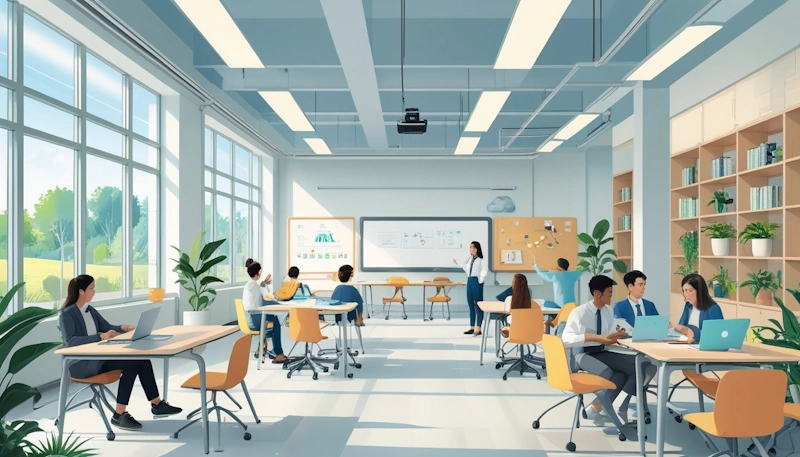
Use assessment to guide teaching, give clear feedback that students can act on, and shape the classroom to fit varied needs. Focus on quick checks, targeted feedback, useful tech, and simple changes to seating and routines to boost engagement and self-regulation.
Formative and Summative Assessment Practices
Use pre-assessments to learn students’ prior learning and cognitive abilities before you start a unit. Short tools like exit tickets, quick quizzes or a one-minute learning journal help you track ongoing assessment and adjust lessons fast.
In addition, build rubrics for key learning outcomes so students know success criteria. Share rubrics before tasks and use them for self-assessment and peer feedback. This supports communication skills, collaboration skills and clearer grading.
Similarity, reserve summative assessment for final achievement checks, but design it to match earlier formative work. Give individualised feedback after summative tasks that points to concrete next steps. Keep feedback short, specific and linked to the rubric.
Leveraging Technology and Adaptive Tools
Use adaptive learning software to meet different readiness levels. Platforms like Khan Academy, IXL and Edpuzzle can personalise practice and free you to give small-group or one-on-one support. They also record progress for easy monitoring.
What’s more, embed tools in your learning management system so students access assignments, feedback and learning journals in one place. Choose programs that allow accommodations and modifications, like text-to-speech or extended time, to support inclusion.
To conclude, use tech for quick formative checks: short polls, digital exit tickets or annotated drafts. These give instant data you can use to change a lesson that day. Keep instructions simple and teach students how to use the tools.
Differentiation Made Simple - Building an Inclusive and Adaptive Classroom
Arrange seating for choice and movement: flexible seating, standing desks and quiet corners help self-regulation and focus. Group students strategically so they practise collaboration skills and communication skills while you circulate.
Further, set clear routines for transitions, device use and group work to improve classroom management. Label areas for different tasks (quiet reading, hands-on work) and coordinate materials so all students can access content easily.
Moreover, use simple physical adjustments and small adaptations to support students with varied needs. Offer multiple ways to show learning — oral reports, posters, written work or models — so every learner can demonstrate achievement.
Conclusion
In conclusion, differentiation doesn’t have to be overwhelming; rather, when educators intentionally adjust content, process, and product, they create inclusive learning environments where every student can thrive.
Moreover, by understanding learners’ strengths, interests, and needs, teachers can make purposeful instructional choices that promote engagement and growth.
Ultimately, differentiation is not about doing more work, but about doing meaningful work that supports all learners effectively.
What are your thoughts on using differentiation to meet the diverse needs of learners in your classroom?
Resources of Mine You Might Like
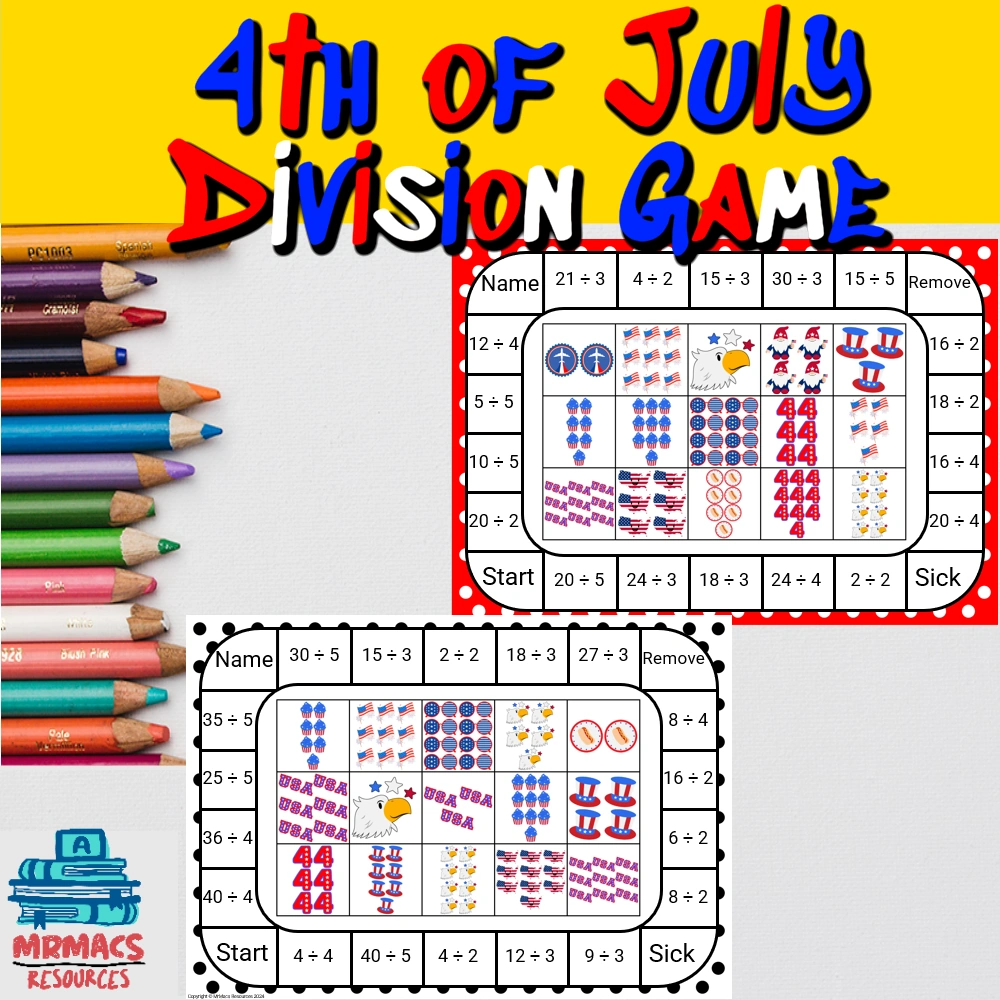
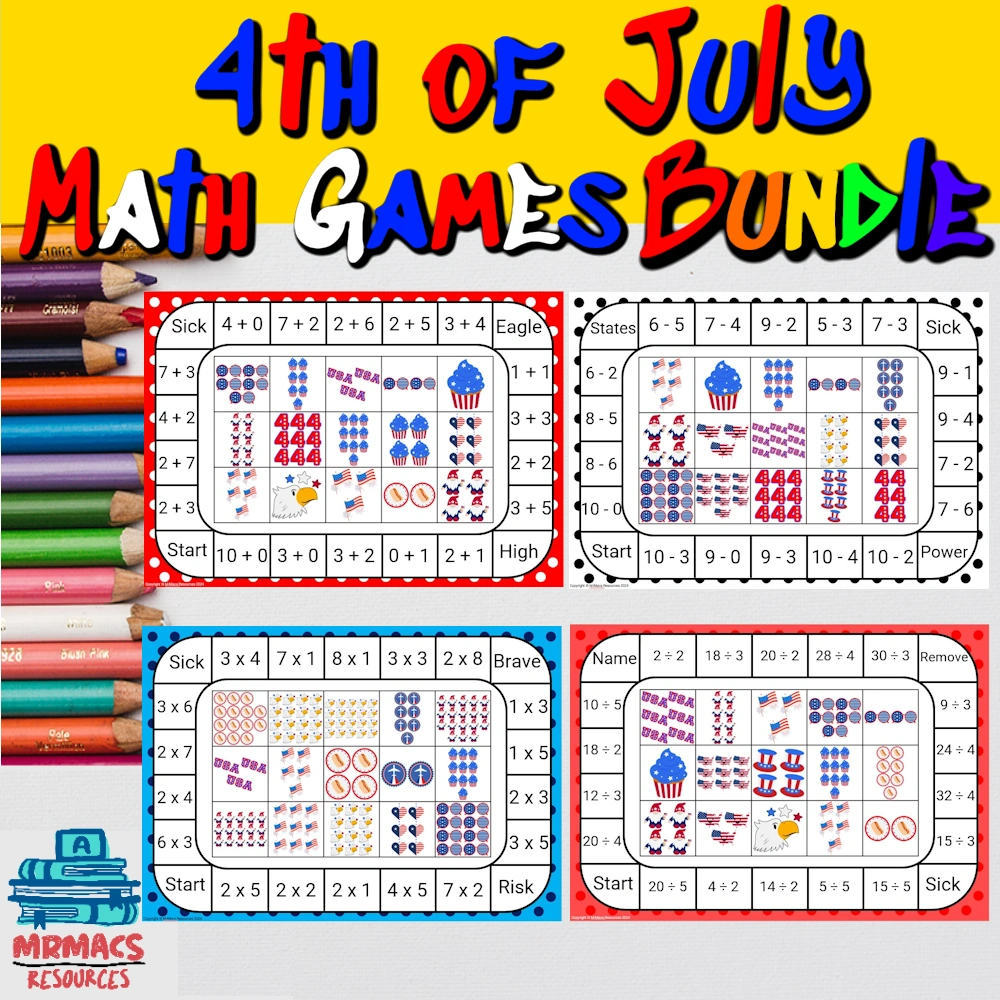
Want Access to my Free Resource Library?
About The Author

Hi! My name is Mr Mac. I am a K – 6 teacher. I love to create resources for teachers to make their teaching lives easier.