
Starting a Teachers Pay Teachers (TPT) store is an exciting way to share your teaching expertise and earn extra income. However, many new TPT sellers struggle to see results because they make preventable mistakes that hurt their visibility and sales. The good news is that understanding these common pitfalls before you upload your first product can save you months of frustration and help you build a profitable store faster.
TPT remains a strong platform for educators who want to turn their classroom materials into passive income. Whilst the marketplace has become more competitive over the years, teachers and homeschool parents continue to purchase high-quality resources that save them time and meet their students’ needs. Moreover, success simply requires a thoughtful approach rather than uploading products and hoping for the best.
This guide walks you through the biggest mistakes new sellers make, from choosing what to create to optimising your products for search. You’ll learn practical strategies for building a focused store, attracting the right buyers, and setting yourself up for long-term growth. Whether you’re just starting out or looking to improve an existing store, avoiding these errors will help you work smarter and see better results.
Fundamental Pitfalls for New TPT Sellers
New Teachers Pay Teachers sellers often struggle because they skip essential groundwork that sets successful stores apart. Building a strong foundation in your niche focus, business basics, and store identity makes the difference between a hobby store and a profitable TPT business.
Lack of Niche and Store Vision
Many new TPT sellers create whatever resources they happen to be teaching that week. This approach might feel productive, but it confuses both buyers and the platform’s search system.
When a teacher discovers your brilliant Year 3 maths resource and clicks on your store name, they expect to find more similar products. Instead, if they see high school science worksheets and early childhood colouring pages, they leave immediately. You’ve lost not just one sale but a potential repeat customer.
The TPT search system also struggles to categorise scattered stores. Without a clear niche, the platform doesn’t know which teachers to show your products to. This makes it very difficult for buyers to find you.
Start by identifying your core focus:
- Review which year/grade levels or subjects you know best
- Choose one specific area to build your first 10-20 products
- Focus on horizontal expansion (similar skills for the same level)
- Add vertical expansion (the same skill at different difficulty levels)
Your niche should solve a specific problem for a specific teacher. For example, instead of being a “primary teacher,” become “the go-to source for Year 2 phonics centres.” This clarity builds trust and authority with buyers whilst helping the search system understand your store.
TPT Sellers - Ignoring Business Essentials
Starting a TPT store requires more than just uploading resources. However, many sellers rush to list products without understanding basic platform requirements and best practices.
First, you need proper tax information set up in your account. TPT requires this before you can receive payments. Additionally, you must understand the platform’s terms of service, especially regarding original content and copyright rules.
Essential setup tasks include:
- Complete your seller profile with a professional photo and bio
- Set up your payment and tax information correctly
- Read TPT’s content guidelines and policies thoroughly
- Create a free product first
- Develop a quality control checklist for uploads
Many new sellers also underestimate the time investment required. Creating quality resources, writing descriptions, designing covers, and optimising listings takes considerable effort. Plan to spend several hours on each product listing, not just a few minutes.
Your mindset matters too. Treating your TPT store as a legitimate business rather than a casual hobby changes how you approach decisions. This means tracking expenses, setting goals, and regularly reviewing your store’s performance data.
TPT Sellers - Choosing an Ineffective Store Name
Your store name is often the first impression buyers have of your brand. Yet many new sellers pick names that limit their growth or confuse potential customers.
Common mistakes include choosing names that are too narrow (“Mrs Smith’s Year 4 Maths”) or too vague (“Classroom Fun Resources”). The first limits you if you want to expand to other grades later. The second tells buyers nothing about what makes your store special.
Moreover, avoid overly cute or clever names that buyers won’t remember or can’t spell easily. Your store name should be simple, memorable, and give some indication of your teaching focus without boxing you in completely.
Strong store names typically:
- Are easy to spell and pronounce
- Hint at your subject area or teaching style
- Work across social media platforms
- Don’t include your personal name (if you plan to sell the store later)
- Sound professional and trustworthy
Take time to brainstorm options and test them with other teachers to see which ones resonate best.
Key Product and Marketing Mistakes That New TPT Sellers Make
New sellers often struggle with product quality and marketing basics that directly impact their success. These issues range from incomplete resources to missed opportunities for building lasting customer relationships.
Low-Quality TPT Products and Incomplete Resources
Your TPT products need to be complete and polished before you publish them. What’s more, teachers are looking for resources they can use straight away in their classrooms, not materials that require extra work or editing. If your product has missing pages, unclear instructions, or poor formatting, buyers will leave negative reviews and avoid your store.
Additionally, make sure every resource includes all necessary materials before uploading. Check for spelling errors, broken links, and formatting issues across different devices. Your fonts should be easy to read, and your images should be clear and professional.
Test your resources yourself or ask a fellow teacher to review them. This helps you catch problems before buyers find them. Additionally, include clear instructions that explain how to use each component of your resource. TPT values quality resources that save educators time and effort.
Overlooking Answer Keys and Differentiation a Common TPT Seller Mistake
Answer keys are essential for most TPT products, yet many new sellers forget to include them. Teachers need answer keys to mark student work quickly and accurately. Without them, your resource loses significant value and potential buyers will choose competing products instead.
Likewise, differentiation options make your products more appealing to a wider range of teachers. Include multiple versions for different ability levels, such as simplified worksheets for struggling students and extension activities for advanced learners. This approach increases your product’s usefulness and justifies higher pricing.
Clearly label which pages are answer keys in your product. Some teachers print entire files, so place answer keys at the end or in a separate document. Furthermore, highlight your differentiation options in your product description so buyers know what they’re getting.
Neglecting Email List and Customer Retention
Building an email list helps you maintain direct contact with teachers who like your work. When you release new products or run sales, your email list lets you reach interested buyers without relying solely on Teachers Pay Teachers’ search algorithm. Many successful sellers use email lists to generate consistent sales.
To add, offer a free resource in exchange for email addresses to start growing your list. Create a simple sign-up form on your blog or website that clearly explains what subscribers will receive. Send regular updates about new products, teaching tips, or seasonal resources to keep your audience engaged.
Past customers are more likely to buy from you again if you stay in touch. Thank buyers for their purchases and ask for feedback to improve future products. Moreover, consider creating product bundles that encourage repeat purchases from satisfied customers.
Strategic Growth and Long-Term Success for TPT Sellers

Many new TPT sellers treat their TPT store like a hobby rather than a business, which limits their earning potential. Understanding how to price products fairly, manage bundles effectively, and operate with a business mindset separates successful sellers from those who struggle.
Mispricing and Underestimating Product Value
Setting the right price for your products requires research and confidence. New sellers often charge too little because they feel uncertain about their worth or worry that buyers won’t purchase at higher prices.
Look at what established TPT sellers in your niche charge for similar products. If your resource includes answer keys, differentiated versions, or editable files, it holds more value than a basic worksheet. Remember, teachers are willing to pay for quality resources that save them time.
Consider these pricing factors:
- Number of pages and activities included
- Time required to create the resource
- Additional features like editable formats or answer keys
- Competitive pricing within your niche
As a TPT seller, start with competitive pricing rather than rock-bottom prices. You can always run sales later, but raising prices on existing products can frustrate buyers. Remember that underpricing your work devalues not only your effort but also sets unrealistic expectations for the entire TPT community.
Mismanaging Growing Bundles
A growing bundle is a product that increases in size over time as you add new resources. These bundles can become one of your most profitable products when managed correctly.
The key mistake new TPT sellers make is failing to plan their growing bundle from the start. Create a clear roadmap of what resources you’ll add and when you’ll add them. Buyers purchase growing bundles at a discounted rate expecting regular updates.
Set a realistic timeline for additions. For example, if you promise monthly updates, you must deliver monthly updates. Missing deadlines damages trust with your customers and can lead to negative reviews.
Growing bundle best practices:
- Clearly state the current number of products and planned final number
- Set a schedule for updates and stick to it
- Gradually increase the price as you add resources
Your growing bundle should align with your niche and store pillars. This makes creating new additions easier and ensures buyers receive cohesive, useful resources.
A Common TPT Sellers Mistake - Failing to Treat Their TPT Store as a Business
Your TPT store is a business, not just a side project. Treating it as such changes how you make decisions and invest your time.
Track your income and expenses properly. Keep records of your earnings, software subscriptions, and any tools you purchase for creating resources. This information matters for tax purposes and helps you understand which products are actually profitable.
Set regular working hours for your TPT business. Schedule time for creating products, optimising listings, and responding to customer questions. Without a schedule, your store becomes an afterthought that never grows.
Additionally, invest in your business when it makes sense. Quality fonts, graphics, or software can improve your products and save you time. However, avoid spending money on tools you don’t need yet.
Build systems that save you time. Create templates for product covers, use checklists for uploading new resources, and develop a consistent naming system for your files. These systems become more valuable as your store grows and you manage more products.
Conclusion
In conclusion, while launching a TPT store can feel overwhelming at first, avoiding the biggest mistakes new sellers make can dramatically shorten your learning curve and set you up for long-term success.
By planning ahead, pricing strategically, investing in quality listings, and staying consistent, you not only save time but also build credibility with buyers.
Moreover, learning from others’ missteps allows you to adapt faster, refine your strategies, and confidently grow your store in 2026 and beyond.
Ultimately, when you focus on progress over perfection and take intentional steps forward, your TPT business becomes far more sustainable and rewarding.
What do you think is the biggest mistake new TPT sellers should avoid, especially as the platform continues to evolve in 2026?
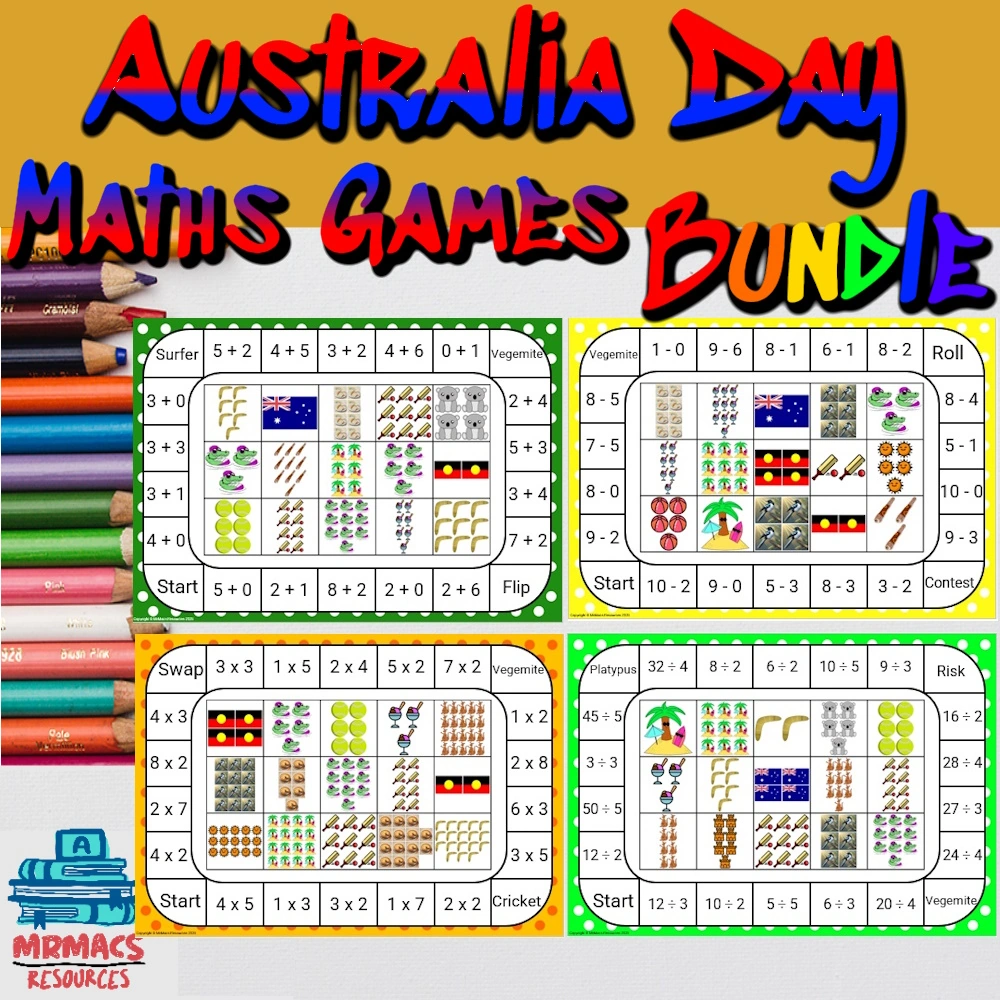
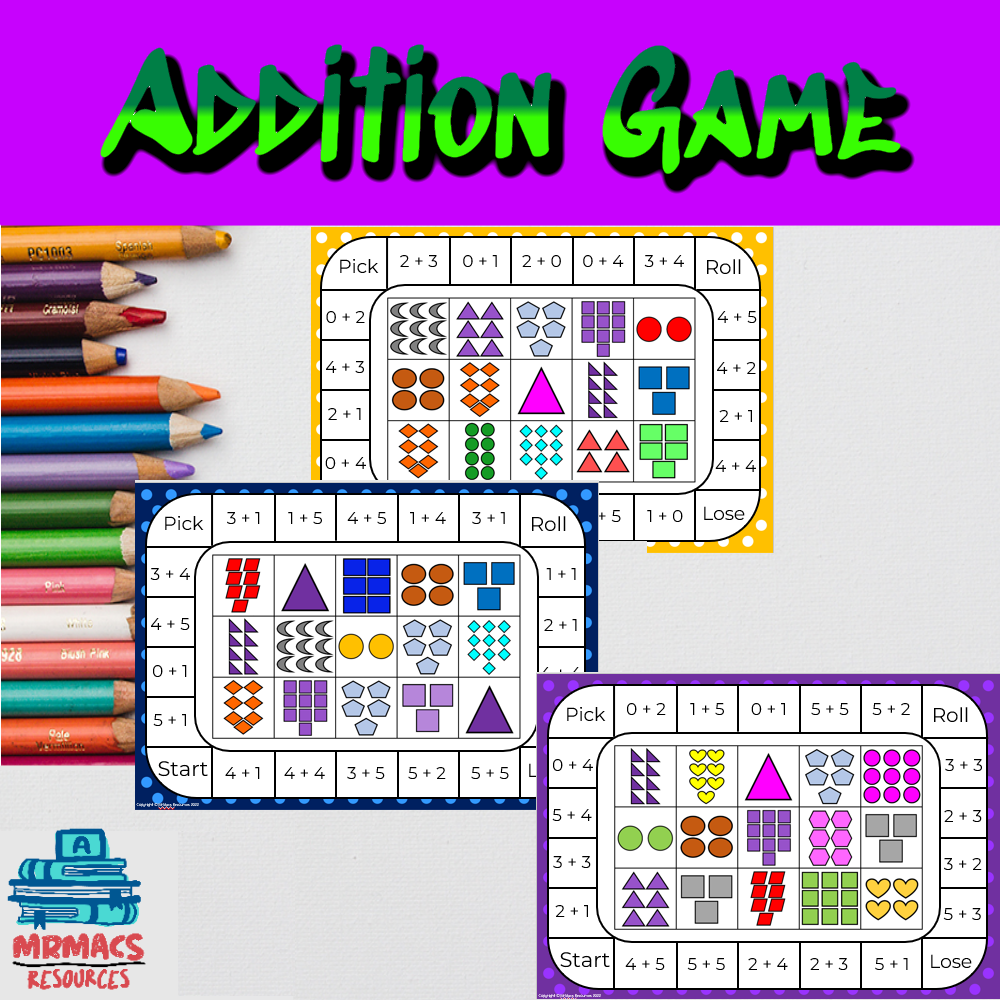
Resources of Mine You Might Like

Want Access to my Free Resource Library?
About The Author

Hi! My name is Mr Mac. I am a K – 6 teacher. I love to create resources for teachers to make their teaching lives easier.