Creating amazing teaching resources is only half the battle on Teachers Pay Teachers (TPT). Without proper optimisation, even your best products can sit undiscovered while teachers search desperately for exactly what you’ve created. The key to consistent sales on TPT lies in understanding how to make your listings appear when teachers search for resources they need. Keep reading to find out the best TPT SEO Tips of 2026!
A large percentage (estimated 70%) of purchases on the platform begin with an internal search, which means your visibility in those results directly impacts your income. However, with thousands of new listings appearing regularly, simply uploading a product isn’t enough anymore. You need to approach each listing strategically, from choosing the right keywords to crafting titles that both teachers and the TPT algorithm understand.
Throughout this guide, you’ll discover how to build strong SEO foundations for your store, research and implement keywords that actually drive traffic, and optimise every element of your listings to increase both visibility and sales. These strategies work for both new sellers just starting out and established stores looking to improve their rankings.
Essential SEO Foundations for TPT Success
Understanding how TPT ranks products and optimising your listings with strategic keywords helps your resources appear in front of more educators searching the platform.
TPT SEO Tips: How the TPT Algorithm Ranks Your Products
The TPT algorithm evaluates multiple elements of your listing to determine where your product appears in search results. Your title carries the most weight, accounting for the bulk of your ranking power. The alogia algorithm prioritises products that place primary keywords within the first three to five words of the title.
What’s more, your description influences the next highest part of your ranking, with particular attention given to the first ~240 characters. TPT analyses this opening section to understand what your resource offers and who it serves. Additionally, your reviews and recent activity (page views) also contribute to your overall ranking.
Moreover, buyer behaviour signals continuously shape your ranking after you publish. When teachers favourite your listing, add it to their cart, or complete a purchase, the algorithm interprets these actions as quality indicators. Products with higher click-through rates and engagement metrics receive ranking boosts over time, which means optimising your TPT products for SEO creates a compounding advantage.
Critical SEO Factors: Titles, Descriptions, and Tags
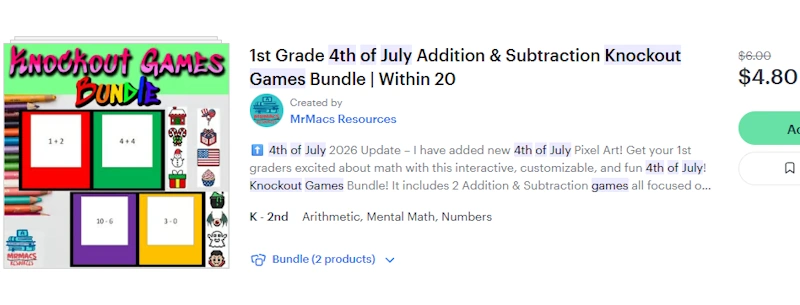
Let’s start with some important TPT SEO tips! Your title structure determines whether teachers find your resource when they search. Lead with your primary keyword, followed by grade level, subject, and specific skills. A weak title like “Maths Worksheets for Kids” loses to a structured alternative: “Year 2 Maths Review Worksheets | Place Value, Addition & Subtraction.”
Furthermore, the opening paragraph of your description must clearly state what the resource is and who it helps. Include your primary keyword naturally within the first two sentences. Use formatting like bullet points and headers to improve readability, as TPT favours well-organised descriptions over plain text blocks.
Your tags should reflect actual teacher search behaviour rather than broad categories. Pick your tags wisely, make sure they match the purpose of your resource. More to the point, your tags should match the niche of your product. Don’t simple pick a tag that kind of or does not suit your products. Misaligned or irrelevant tags actually harm your ranking by confusing the algorithm about your product’s true purpose.
Getting your resources noticed in online searches requires using your chosen keyword phrase naturally across your title, description, tags, and product content.
TPT SEO Tips: Best Practices to Avoid Keyword Stuffing
A very important TPT SEO Tip – Keyword stuffing! Keyword stuffing damages your credibility with both the TPT algorithm and potential buyers. Repeating the same phrase multiple times in unnatural ways triggers quality filters that can suppress your listing. Instead, focus on writing clear, helpful descriptions that incorporate keywords where they genuinely fit.
Likewise, use variations and related terms throughout your description rather than forcing identical phrases repeatedly. If your primary keyword is “phonics passages,” you can naturally include related terms like “decodable reading,” “sound practice,” or “fluency building” without awkward repetition. This approach signals relevance to multiple searches whilst maintaining readability.
The algorithm rewards listings that serve teacher needs over those attempting to manipulate rankings. Write your descriptions as though you’re explaining your resource to a colleague in the staffroom. If a keyword placement feels forced or interrupts the flow of information, remove it. To conclude, quality content that genuinely helps teachers understand your product will always outperform listings stuffed with disconnected keywords.
Strategic Keyword Research and Optimisation for TPT Stores
Successful keyword research means finding the exact words and phrases that teachers type into the search bar when they need classroom resources. By choosing keywords with manageable competition and strong buyer intent, you can position your products where educators will actually find them.
Finding High-Quality Keywords that Buyers Search
High-quality keywords reflect what teachers truly need for their classrooms. Instead of broad terms like “maths worksheet,” focus on specific phrases that include grade level, subject, and skill. For example, “Year 3 multiplication worksheets” or “phonics activities for prep” match actual searches better.
Also, start by examining top-ranking product titles in your niche. Look at what successful teacher-authors include in their listings. Notice patterns in how they structure their keywords.
Alternatively, you can also check Pinterest and Google to see what teachers search for outside Teachers Pay Teachers. These platforms reveal the language educators use naturally. Pay attention to the specific terms that appear repeatedly.
Moreover, long-tail keywords work especially well because they capture clear intent. A teacher searching “editable behaviour chart for kindergarten” knows exactly what they want. This specificity means better conversion rates when your product appears in results.
TPT SEO Tips: Understanding Keyword Difficulty and Search Volume
Keyword difficulty measures how hard it will be to rank for a specific term. If 50,000 products already target “reading comprehension,” your new listing will struggle to appear on the first page. However, “Year 2 reading comprehension passages with questions” might have only 2,000 competitors.
Additionally, search volume indicates how often teachers search for a particular keyword. High search volume seems appealing, but it usually means high competition too. The sweet spot combines decent search volume with lower difficulty scores.
So, balancing these two factors when selecting keywords for your TPT store. A keyword with moderate search volume and low competition often performs better than a high-volume term with overwhelming competition. Teachers Pay Teachers rewards relevance more than broad matching, so precise keywords help you reach the right buyers.
Ultimately, track your chosen keywords after publishing. If a product doesn’t gain traction within a few weeks, revisit your keyword choices and adjust based on actual performance data.
Boosting Visibility and Conversion Rates on TPT

Getting teachers to click on your product is only half the battle. Once they land on your listing, you need to convert that interest into a sale through clear visuals, helpful content, and easy-to-use materials.
Creating Eye-Catching Thumbnails and Preview Files
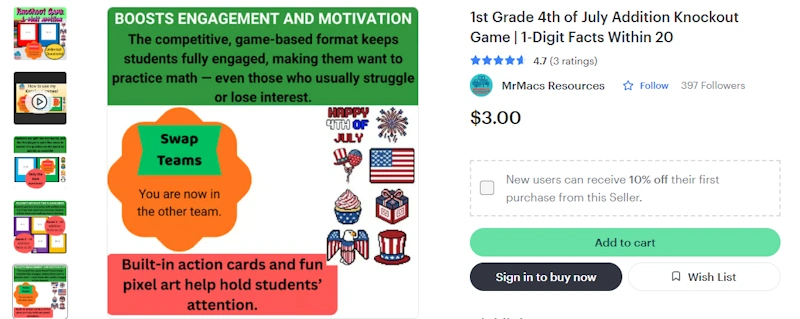
A major TPT SEO Tip I can give you is your preview and thumbnails. Your thumbnail is the first thing buyers see in search results. It needs to grab attention immediately with large, readable text that clearly shows the grade level and topic. Use high contrast colours and keep the design clean without cluttering it with too many elements.
Plus, the preview file matters just as much as your thumbnail. Teachers want to see actual pages from your resource, not just promotional graphics. Include at least 10-15 pages that show the variety and quality of what they’ll receive. Display sample worksheets, instructions, and different activity types so buyers can judge whether the resource fits their needs.
Finally, make sure your preview is easy to navigate. Add page numbers or labels so teachers can quickly find what they’re looking for. When buyers can clearly see what they’re purchasing, conversion rates naturally improve.
TPT SEO Tips: Using Answer Keys and Making Products Easy to Use
Teachers value resources that save them time. Including a comprehensive answer key shows that you understand their needs and reduces the work required to use your product. This small addition can be the deciding factor between your listing and a competitor’s.
Besides that, clear instructions make your resources more appealing. Add a page at the beginning that explains how to use each component, what materials are needed, and any preparation steps. When teachers can see that your product is ready to print and use immediately, they’re more likely to purchase.
In the long run, consider adding multiple formats when possible. Offering both PDF and editable versions gives teachers flexibility to adapt materials for their classrooms. This consideration demonstrates that you’ve designed the resource with real classroom use in mind.
Tracking and Improving Conversion Rate for More Sales
Your conversion rate tells you how many visitors actually purchase your product. To calculate it, divide your total sales by your total views. If 100 teachers view your listing and 5 purchase it, your conversion rate is 5%.
Likewise, monitor this number regularly in your TPT store analytics. A low conversion rate means teachers are finding your product but choosing not to buy it. This signals that something in your listing needs improvement, whether it’s your pricing, preview quality, or product description.
Test changes one at a time to see what works. Update your thumbnail and track whether your conversion rate improves over the next few weeks. If it doesn’t change, try enhancing your preview file or rewriting your description. Moreover, small adjustments can lead to more sales without requiring you to create entirely new products.
Conclusion
In summary, mastering SEO on TPT is the most effective way to ensure your hard work translates into consistent sales and visibility.
Furthermore, by strategically optimizing your titles, descriptions, and tags with high-traffic keywords, you bridge the gap between your resources and the educators who need them most.
Consequently, staying consistent with these practices will help your store gain momentum even in a highly competitive marketplace.
Ultimately, a data-driven approach to SEO is not just a one-time task, but a foundational strategy for long-term success as a seller.
Which of these TPT SEO Tips do you plan to implement first to help boost your product rankings?
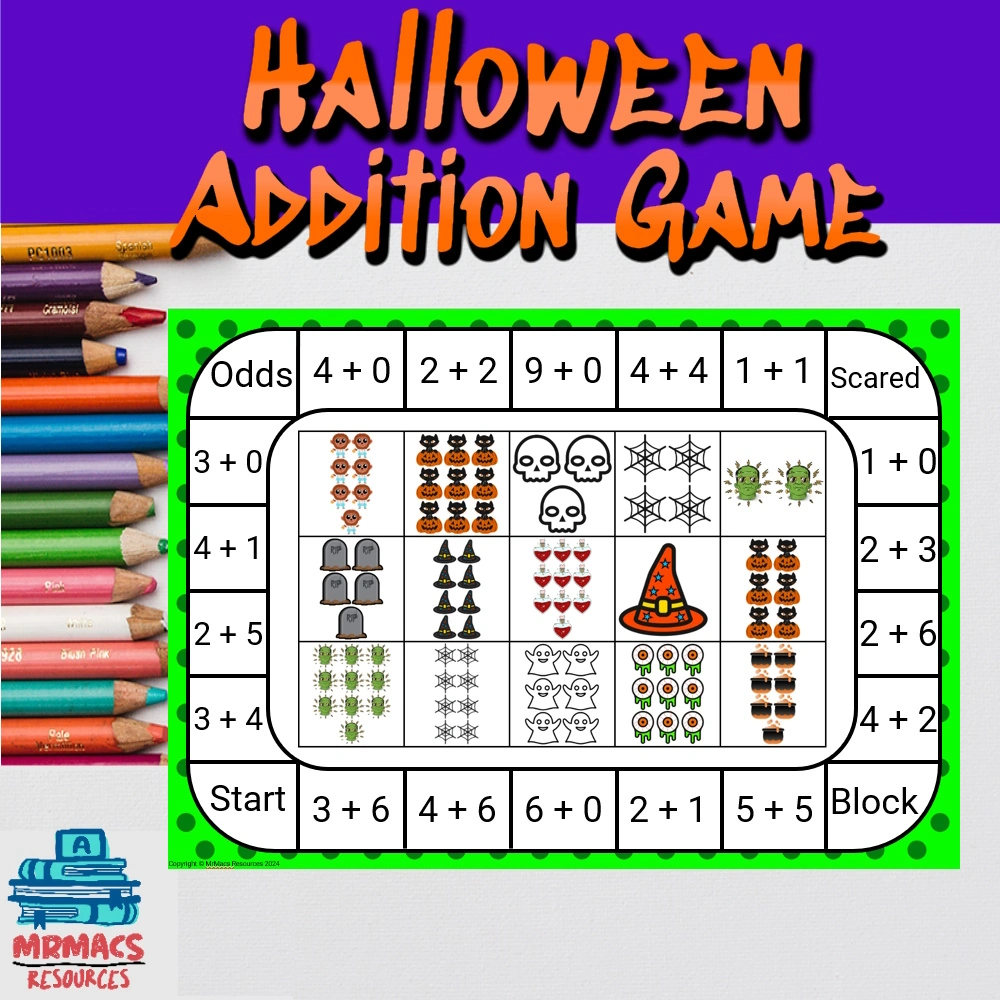
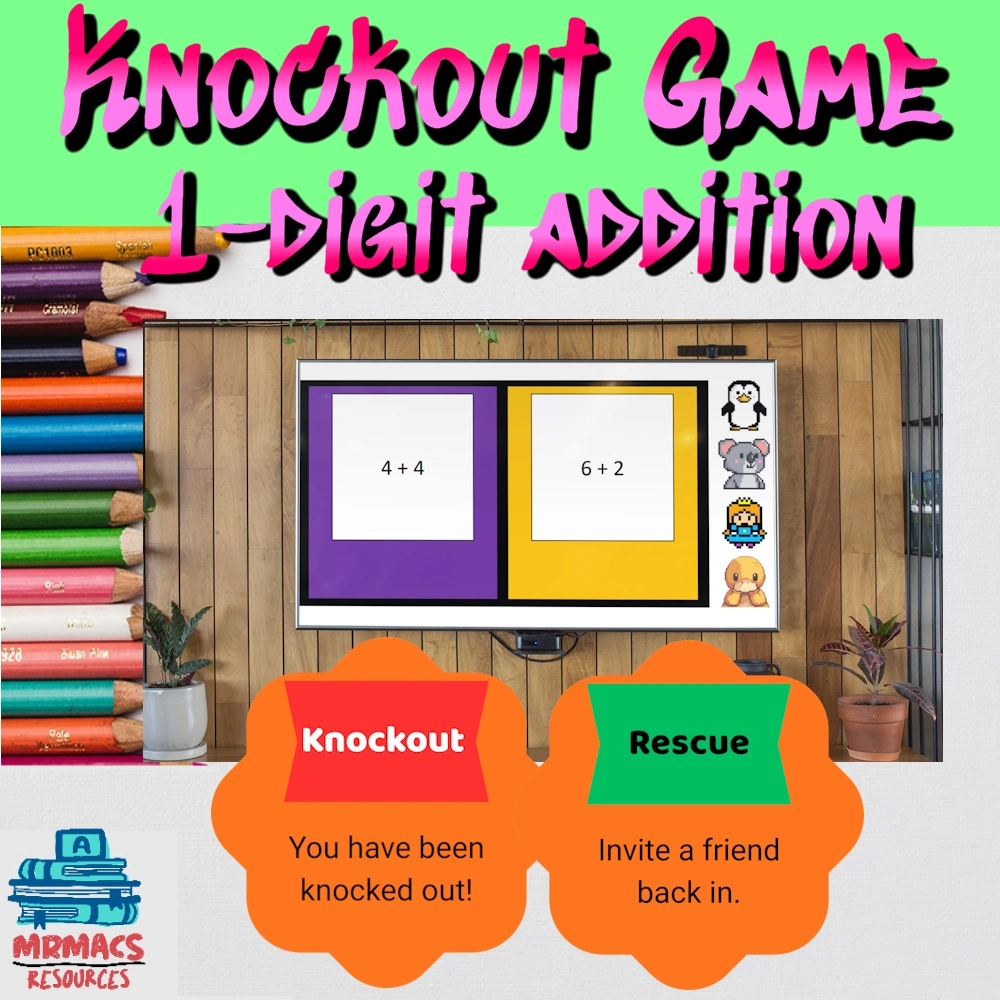
Resources of Mine You Might Like
Want Access to my Free Resource Library?

About The Author

Hi! My name is Mr Mac. I am a K – 6 teacher. I love to create resources for teachers to make their teaching lives easier.